New skid steer. New hip. And plenty going on behind the scenes.
If it's been a bit quieter than usual from me out on the properties lately, it's not because I've been putting my feet up.
A quieter winter with plenty happening
Winter's the natural time to do this. The ground gets wet and boggy, so mulching slows right down across the coldest, muddiest stretch, which makes it the perfect window to step back from the machine and put real time into the business. So that's exactly what I did.
I finally got a new hip sorted. Years of going pretty hard at sport eventually caught up with me, so I used the quieter ground conditions to get it done properly. Recovery's gone really well, and the best part is it means I can get back into more of the stuff I love and keep chasing after my young kids, hopefully not letting them beat me for a little while longer yet.
And I've already got a good run of work lined up for the period ahead. Here's what else has come out of it.
The new Kubota and Fecon setup
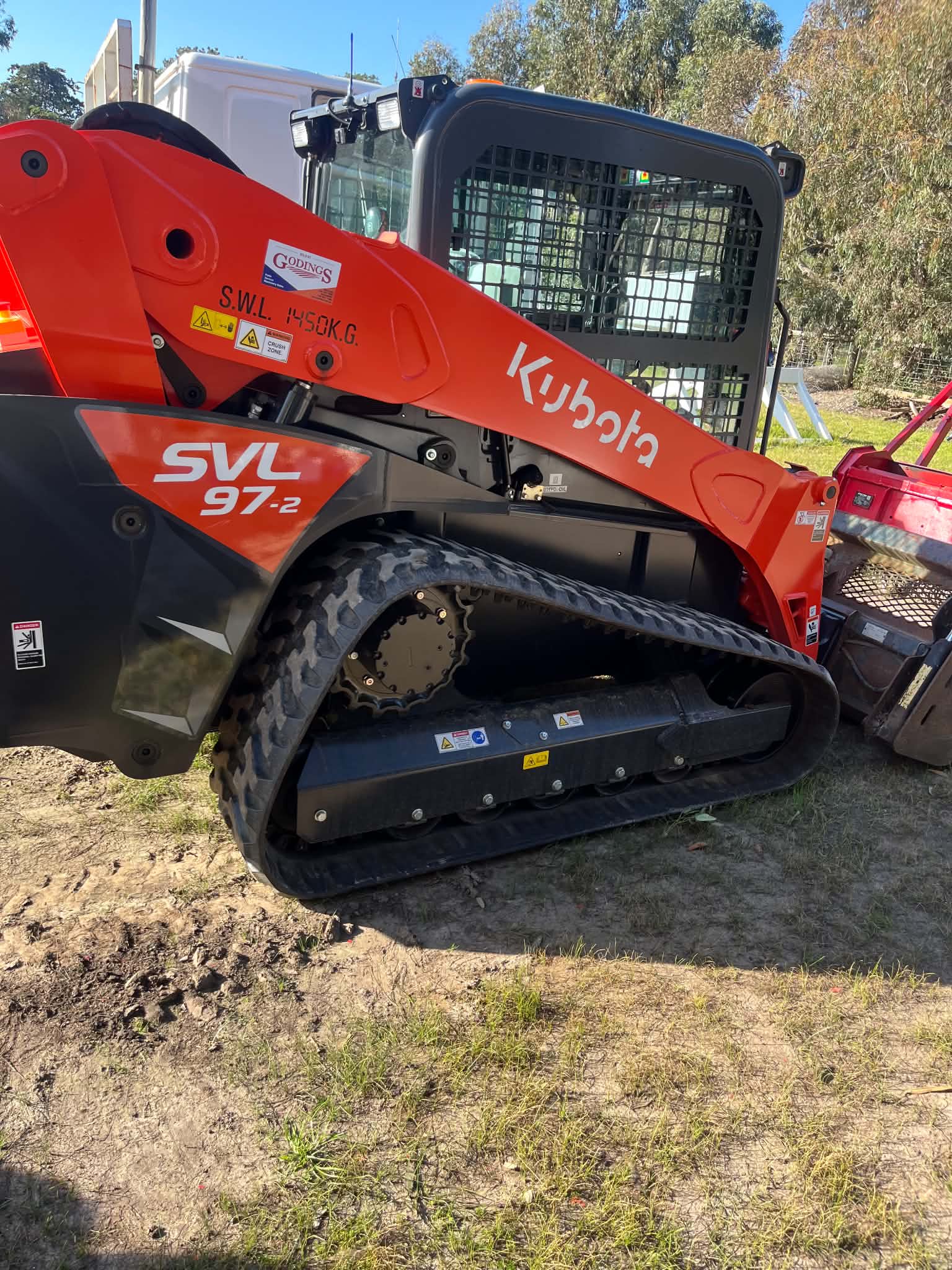
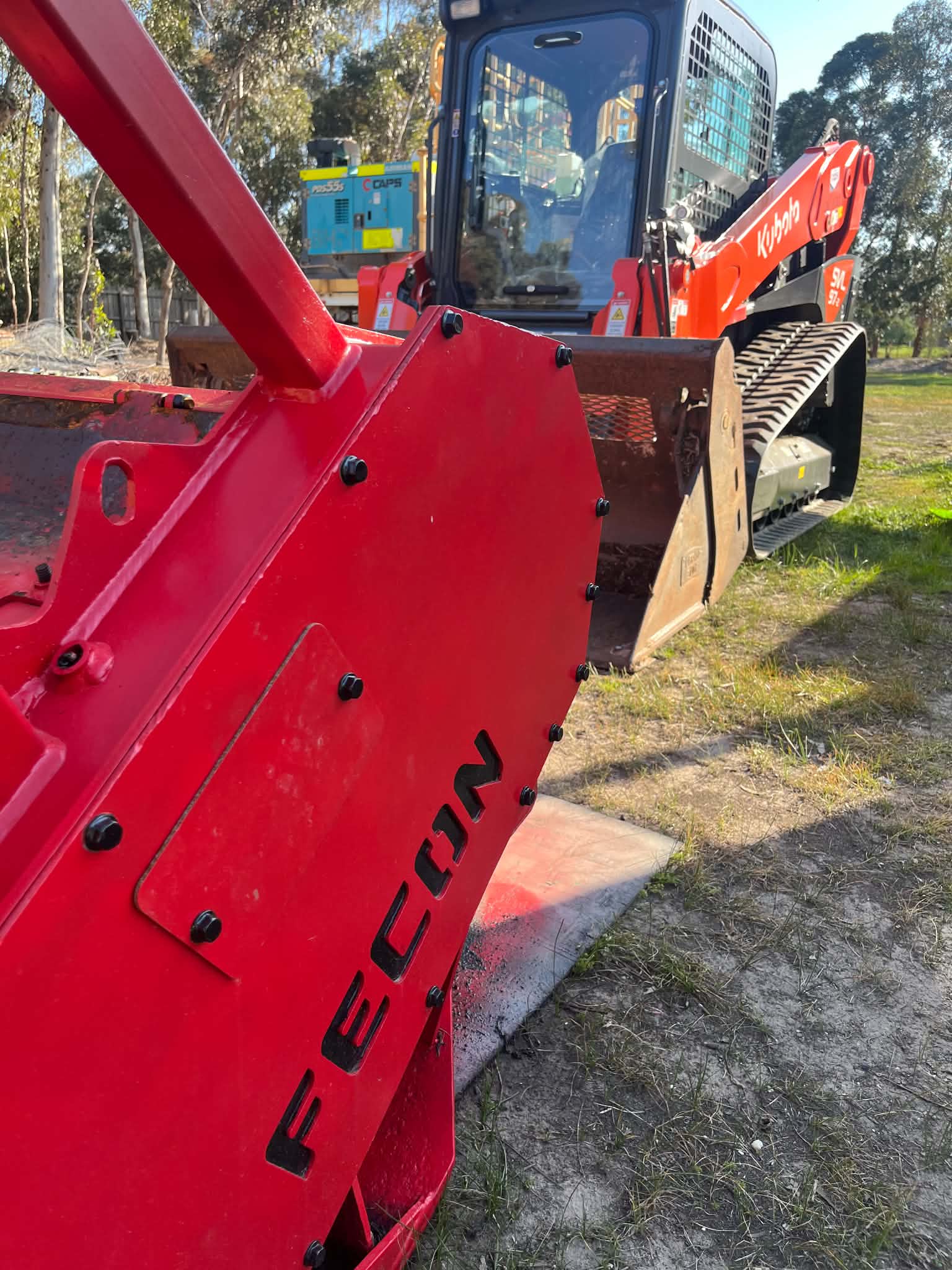
I've gone with a brand new Kubota skid steer paired with a Fecon mulcher. Kubota have a real name for reliability, which counts for a lot when you're leaning on the machine every day through a busy season, and the Fecon produces a genuinely excellent finish while chewing through some seriously thick stuff. It's a combination I rate highly.
Here's the thing though. It's the right machine for this work, not just the biggest. Plenty of jobs get quoted on the back of huge, expensive machines, and that horsepower ends up on your bill whether the job needed it or not. My setup has the grunt to handle the heavy going, but it doesn't carry the price tag of a giant rig, which means better value for you on a result that stands up either way. Bigger isn't automatically better. The right tool for the job is what counts.
The nimble side of the machine matters more than it might sound, because of the country I work on. The Surf Coast and the Otways have some genuinely beautiful properties, and a lot of the people who call me love where they live and want to look after it. That's exactly the sort of work I enjoy. I'm not here to flatten a block and move on. I take the time to work carefully around established trees, native vegetation and the areas worth protecting, while I deal with the dense regrowth, the gorse and the invasive stuff that's actually causing the problem.
Opening a property up and respecting what makes it special aren't opposites. Done properly they go hand in hand, and that's the whole idea behind "we don't strip it bare".
Cleaner, safer and ready for the warmer months
Being brand new, it's also a cleaner setup all round, including keeping a lot more dirt and dust out of the cab. It might sound like a small thing, but it means when I hop out at the end of a job to walk the property with you and have a chat, I can actually shake your hand without covering you in a day's worth of muck. Little things, but they matter when you're dealing with people face to face.
I've also had a fire suppression system fitted to the new machine through Encaps. There's been a lot of talk lately about the fire season ahead, and running mulching gear in warmer, drier conditions comes with a bit of responsibility. Having proper suppression on board means I can keep working safely and sensibly as we head toward the warmer weather, with the right gear on hand if it's ever needed.
Building the business for bigger jobs
I've also got another truck on the way, which means I can move the machine around the region more easily and keep things running smoothly when the jobs start stacking up. And this week we're finally getting our first big signs put up at our base, which after all the work behind the scenes feels like a nice sign of things to come. All part of getting set up properly for a busy season.
On the backend, I've upgraded my business app, Groundcover, so I can properly track and manage larger jobs, including government and tender-type work. It lets me keep on top of where I'm working, record each job properly and give bigger clients the reporting and accountability that sort of work needs.
Map your property before I visit
Groundcover also powers a new tool on my website that lets you map out the area you'd like mulched. You draw the section on a map of your property, and it helps give a sense of how large the area is and roughly how long a job like that might take. It's a handy way to get the ball rolling and give me a clearer picture before I arrive.
Just to be clear though, it doesn't replace coming out to your place. I still come and look at every job in person, because a map can't tell you what the vegetation's actually like on the ground, what's worth keeping and how best to approach it. The tool is a starting point, not the quote.
For Surf Coast property owners
I know council have been out and about across the Surf Coast lately, working with property owners on what they need to be thinking about heading into fire season. I've had a few calls from people who've had a visit or a notice and want a hand getting on top of the vegetation side of things, like managing dense low regrowth, clearing and opening up access tracks, and dealing with overgrown areas.
If that's you, feel free to give me a call. I'll come out, have a look and talk through how I'd approach it, always with an eye on doing it in a way that suits the property rather than just clearing for the sake of it. The final call on what your property needs is between you and council, but I can do the vegetation work to help you get there.
You might also see me out and about in a more literal sense over the coming weeks. I'll be doing some flyer drops around the region, so if you spot someone on a bike or in a car popping something in a letterbox near you, that will be us saying hello.
Get in early for the busy months
The next few months are my busiest stretch and they fill up quickly. People get work done for all sorts of reasons, not just fire season. Some want an overgrown property looking better and usable again. Some are preparing a block for building. Some are getting a property ready to sell. And plenty just want to take back a section that's been lost to gorse, blackberry or years of regrowth.
Whatever the reason, the best thing you can do is get in touch early.
Getting in early does two things. It means I can actually fit you in before the rush, and it means I can plan the job around the right timing and ground conditions rather than trying to squeeze it in at the last minute. Some jobs are better done earlier, others once things dry out a bit more, and a bit of lead time lets me do it properly.
No need to have it all worked out. Map out an area on my website, send through a couple of photos, or just give me a call. Tell me roughly what you're dealing with and I'll come out and have a look in person. Quotes are free.
We open up overgrown land. We don't strip it bare.
Looking forward to a big few months.
Lachy